

Tulum- Mexico’s Jungle Charm
- nomadicfootprint
- Jan 9
- 6 min read

Updated: Jan 15
If you’re chasing jungle-chic stays, barefoot mornings, and sun-kissed afternoons by the Caribbean coast, Tulum will steal your heart before you even unpack.
This corner of Mexico is the newest Bali or Goa where bohemian charm meets coastal magic — where hammocks swing between palm trees, local artisans fill the air with color, and every breeze carries the scent of salt and slow living.

From its eco-luxury beach clubs to hidden cenotes tucked deep in the jungle, Tulum isn’t just a destination — it’s a feeling. Whether you’re here to dive into turquoise waters, practice sunrise yoga, or simply get lost in the rhythm of ocean waves, Tulum’s blend of nature, culture, and design makes it one of Mexico’s most enchanting escapes.
So slip on your sandals, grab a woven hat, and get ready to explore Tulum, Mexico’s boho dream.
The best part? Tulum fits every kind of traveler’s rhythm. You can spend a long weekend unwinding by the beach or a full week soaking up its hidden gems — cenotes, Mayan ruins, jungle adventures, and sunset dinners that feel like scenes from a dream. We stayed for seven days and still found ourselves wishing for more time; Tulum has a way of slowing you down and pulling you into its rhythm.
Best travel plan to Tulum can look like:
1 day shopping and local art exploration
1 day Chichen Itza
Stay:
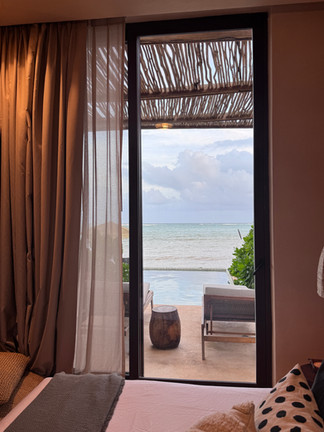
We stayed 3 days at airbnb [one of the best ones in the area with direct access to beach and snorkeling] and remaining 4 days at a beach club resort which not that great so not linking here.
Food: Places not to miss for vegans/vegetarians
Kay Nah
Negro Huitlacoxe
Onyx Tulum
La Pizzeria di Marco
Mezzanine
El Agavero
Hartoo (Brunch)
Botanica Garden Cafe (Brunch) and their Broccoli Bagel ..slurrpp




Tulum favorites :
Cenotes
They are natural sinkholes filled with crystal-clear, fresh water that feel straight out of a dream. These ancient limestone pools were once sacred to the Mayans, believed to be spiritual gateways connecting the earthly world with the divine. Today, they’re one of the most magical ways to experience the natural beauty of Mexico’s Yucatán Peninsula. It takes years to forms these natural pools so you will find a lot of prep before the dip.
Carry cash (dollars or Mexican dollars) as the entry fee to a few Cenotes accepts cash only
Be prepared to take a cold water shower before entering (including hair )
There are lockers available if everyone from your group plans to swim
No oil or sunscreen is allowed before entering the Cenote
Life vest is mandatory for everyone (the tiniest vest available is for a 2 year old)
Always carry towels along with you
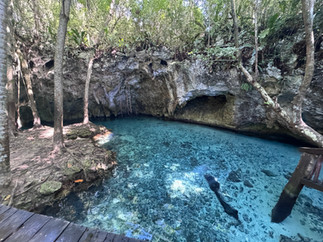
On our trip, we were able to spend two days at two different cenotes and both had its own charm and experience (Gran and Suytun)
Gran Cenote
Just minutes from downtown Tulum, Gran Cenote is one of the most famous — and for good reason. The moment you step down into its lush, cave-framed opening, you’ll see turquoise water so clear you can spot fish and turtles gliding below. It’s perfect for swimming, snorkeling, or simply floating under beams of sunlight that filter through the jungle canopy. The surrounding greenery and the sound of birds make it feel like you’ve stumbled upon a secret paradise.
Tip: Go early in the morning to beat the crowds and experience the calm, mirror-like water all to yourself. Be ready with $30 USD cash per person as entry fee.



Cenote Suytun
This one is widely considered one of the most "Instagrammable" locations in Mexico's Yucatán Peninsula. Located just outside the colonial town of Valladolid, and 45 mins drive from Tulum (also on the way to Chichen Itza) it is famous for its ethereal, cavernous atmosphere and its iconic stone walkway leading to the center of the water.
Tip: Go between 11-2 pm to experience the sun beam on the stone platform and experience the calm, mirror-like water all to yourself. Be ready with $25 USD per person as entry fee. There is typically always a queue for the pictures near the stone platform. This cenote has steep stairs and can be slippery.
Unlike open-air cenotes that look like swimming holes, Suytun is a closed cenote (cavern).
The Sunbeam: There is a small circular opening in the roof of the cave. At midday, a narrow beam of sunlight shines directly onto a circular stone platform in the center of the pool.
The Vibe: It feels like a natural cathedral. The water is relatively shallow and filled with small black fish, but most people visit for the architecture and the light rather than the swimming.


Beaches
Tulum’s beaches are world-renowned for their powder-white sand and turquoise waters.


3 Famous beaches:
Located in the northern section (near the archaeological site), these beaches are generally wider
Playa Ruinas: This is the most photographed beach in Mexico, located directly beneath the Castillo at the Tulum Ruins.
Best for: History lovers and photographers.
Pro Tip: Access is only via the staircase inside the ruins; it gets crowded by 10:00 AM, so go as early as the park opens.
Playa Paraiso (Paradise Beach): True to its name, this is the classic "postcard" beach with leaning palm trees and soft sand.
Best for: Families and sunbathers.
2026 Update: While it is public, there is a small entry fee for the Jaguar Park area which covers this beach. (MX $120 per day pass)
Amazing brunch at Mezzanine with gorgeous beach views
Playa Pescadores: Known for the colorful fishing boats lined up on the shore.
Best for: Snorkeling tours. This is the main departure point for boats that take you to the reef to see the ruins from the water.
Sunrises are magical at all the beaches.


Artsy
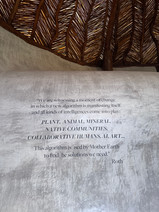
In the heart of Tulum’s lush jungle and the creative hub , a revolution in architecture is quietly breathing. It’s called SFER IK (pronounced spheric).
Part museum, part sanctuary, and entirely an immersive experience, this is far more than just a destination for your Instagram feed—it is a radical rethinking of how humans, art, and nature coexist.
Barefoot Luxury: Visitors are asked to remove their shoes before entering. This isn't just a rule; it’s an invitation to reconnect with the earth through your feet, feeling the textures of polished vines and warm concrete.
Nature First: Not a single tree was cut down to build these structures. Instead, the architecture weaves around ancient trunks, allowing the jungle to dictate the shape of the rooms.
Biomorphic Design: You won't find straight lines or sharp corners. The walls undulate like waves, and the windows are circular "eyes" looking out into the canopy.







Day trip to Chichen Itza
From the Shores of Tulum to the Wonders of Chichén Itzá, if you are staying in Tulum, you are perfectly positioned for one of the most iconic road trips in Mexico. The drive from the coast to the heart of the Yucatán Peninsula takes you through lush tropical forests on roads that are both safe and scenic.

The journey inland is more than just a commute; it’s an exploration of the Mexican landscape. As you head toward Chichén Itzá, make sure to plan a stop in the town of Valladolid. Often described as a quintessential Spanish-style colonial town, Valladolid is a must-visit for food lovers. The streets are lined with colorful facades, but the real draw is the authentic Yucatecan cuisine

You can easily combine your temple visit with a stop at Cenote Suytun, located just outside Valladolid. This cenote is world-famous for the stone pathway that leads into the center of a massive cavern.
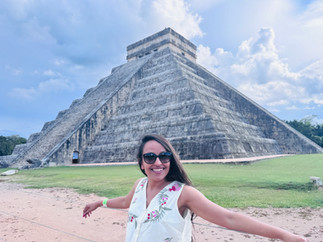
A day trip to Chichén Itzá is a journey into the heart of the Mayan world. Since it’s about a 2 to 2.5-hour drive from Tulum, it’s a full-day commitment but absolutely worth the effort to see one of the "New Seven Wonders of the World."
While El Castillo (The Pyramid of Kukulcán) is the star of the show, the site is a massive ancient city with several other jaw-dropping structures:
The Pyramid: The largest and best-preserved in Mesoamerica. It’s famous for its whispering gallery acoustics—if you whisper at one end, a person at the other end (150 meters away!) can hear you perfectly.
The Great Ball Court: The largest and best-preserved in Mesoamerica. It’s famous for its whispering gallery acoustics—if you whisper at one end, a person at the other end (150 meters away!) can hear you perfectly.
Temple of the Warriors: A massive temple surrounded by the "Thousand Columns." Look for the Chac Mool statue at the top, a reclining figure used in ancient rituals.
+1
El Caracol (The Observatory): A round building used by Mayan astronomers to track the movements of Venus and the stars with incredible precision




Once you arrive at the archaeological site, keep these logistics in mind to ensure a smooth experience:
Duration: Expect to spend about 2 hours wandering the grounds. This gives you enough time to see the Great Ball Court, the Sacred Cenote, and the towering El Castillo pyramid.
Hire a Local Guide: While you can walk the site alone, hiring a guide is highly recommended to understand the complex Mayan astronomy and history. A local guide usually costs roughly $700 MXN.
Beat the Heat: The site gets very hot and crowded by noon. Aim to arrive as close to the 8:00 AM opening time as possible to enjoy the ruins in the cool morning air.
A trip to Tulum is all about balancing the high-energy "Tuluminati" beach scene with tranquil wellness and ancient history. Hope you have a fantastic experience in Mexico!


Comments